Through the Eyes of the Consul General of Japan in Detroit
2026/10/21
Through the Eyes of the Consul General of Japan in Detroit
Vol.24
The Power of Music: Detroit Edition — The Jazz Festival as a Launchpad for Young Talent
Vol.24
The Power of Music: Detroit Edition — The Jazz Festival as a Launchpad for Young Talent
October 21, 2026
Hajime Jimmy Kishimori
Consul General of Japan in Detroit
Hajime Jimmy Kishimori
Consul General of Japan in Detroit
Following the Dayton edition (A Consul General’s Perspective, Vol. 17) and the Cleveland edition (Vol. 18), this third installment in the “Power of Music” series focuses on the Detroit Jazz Festival.
I have loved Bill Evans since my student days. Over time, I also developed an appreciation for European jazz, particularly Dutch artists such as the Karel Boehlee Trio and the Louis van Dijk Trio. Classical music, on the other hand, remained unfamiliar territory until Honorary Consul, Dr. Hiroyuki Fujita and his wife, conductor Keitaro Harada, and pianist Yuta Kanno introduced me to it. So when I had the good fortune of being invited by the organizers of the Detroit Jazz Festival, I was simply delighted. After all, the renowned Hiromi Uehara had performed at the festival the previous year, and I had not even learned about it until after the event was over.
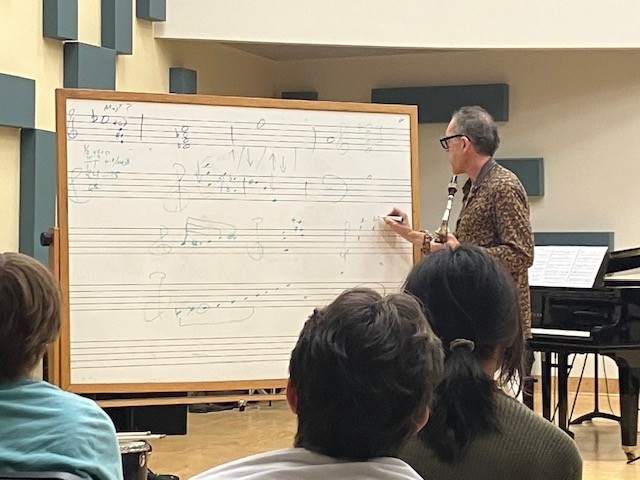
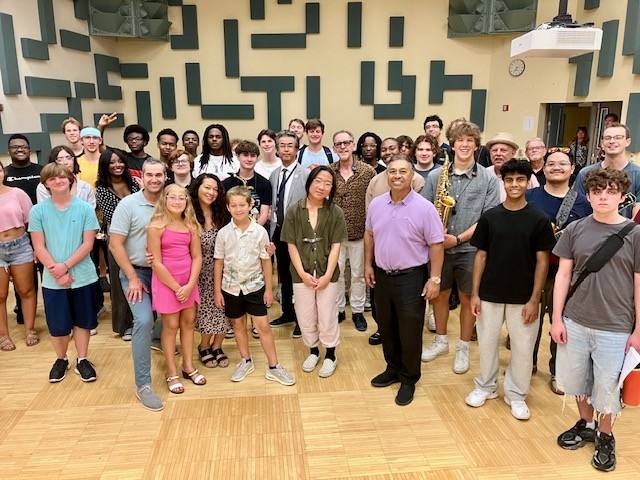
But the invitation came with an unusual request. Before the main festival over Labor Day weekend in September, I was asked to visit a “boot camp” in July. An artists’ boot camp? What could that possibly be?
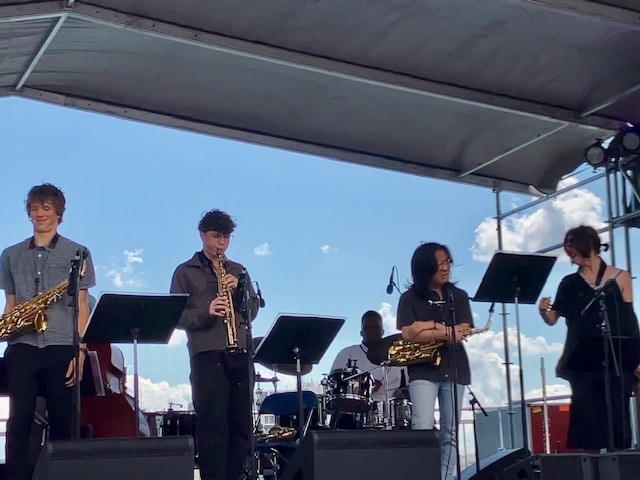
When I arrived, the place looked more like a rehearsal space for a high school cultural festival. The musicians were young people under the age of 18 who had applied from across the United States. “Ah, so these are aspiring artists,” I thought briefly. How naive I was! The music being created there was experimental, free-flowing, and dynamic, with a raw, youthful energy that could rival—and sometimes surpass—that of seasoned professionals. Far from being a mere school festival rehearsal, the boot camp was a jazz research laboratory.
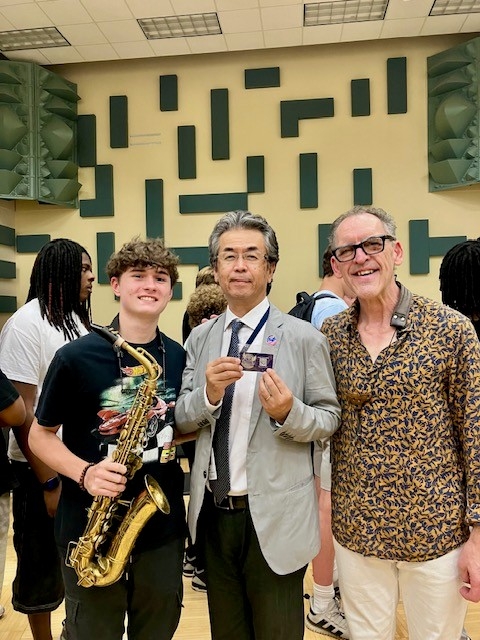
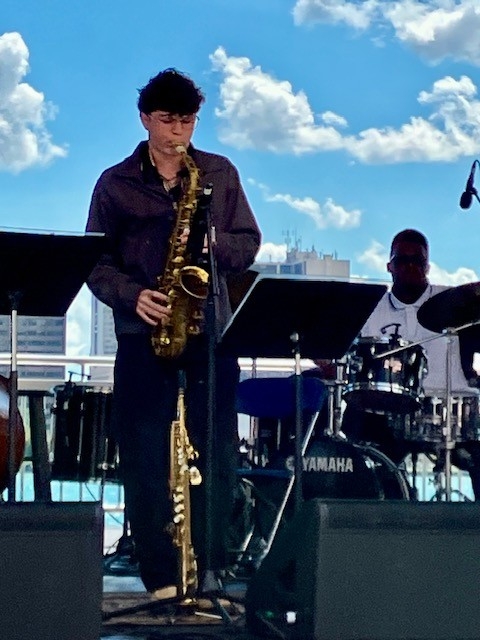
I struck up a conversation with Pierce, a 16-year-old saxophonist whose father was also a jazz musician. As we parted, he told me, “I’m going to work hard so I can perform at the festival. Please make sure you come and see me!”
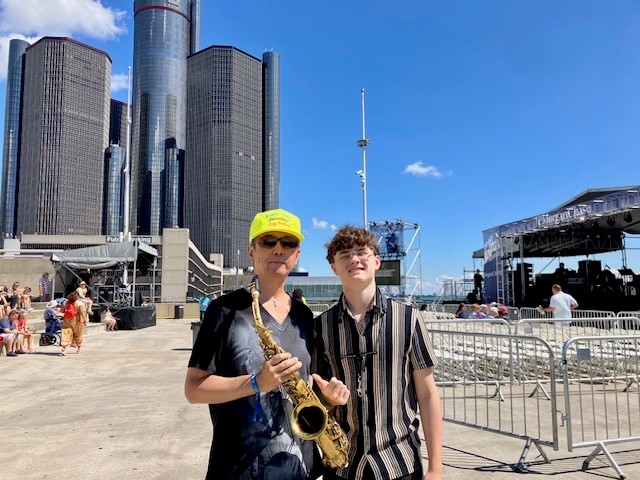
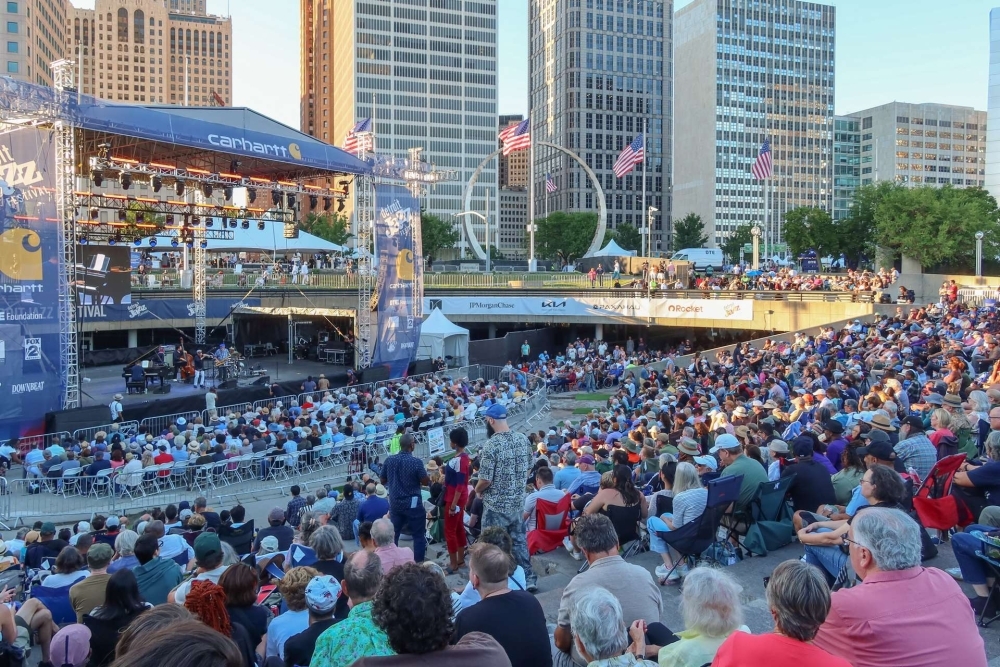
About two months later, on September 6, the Detroit Jazz Festival opened at Hart Plaza along the riverfront. There appeared to be artists from Japan performing as well, but I decided to watch the young musicians with Mr. Christopher Collins and the other festival organizers. With the Windsor, Canada, skyline serving as the backdrop, I spotted Pierce onstage. Giving a saxophone solo of his own, he played freely and confidently alongside his fellow young musicians.
Their performance did not offer the reassuring familiarity one might feel when listening to standard jazz. Instead, it was filled with an almost dazzling intensity—a burning passion that seemed to declare, “Look what we can do!” I found myself cheering Pierce on with the same pride and affection a father might feel watching his own child perform.
Each time I heard a bold, unexpected modulation that defied the melody I thought I knew, I felt something inside me begin to loosen, as though the music were gently releasing a heart hardened by sorrow. Once again, I was reminded that jazz is a carefully calculated act of destruction, carried out by talented musicians.
“We hope that young jazz enthusiasts from Japan will apply to next year’s boot camp,” Mr. Collins said.
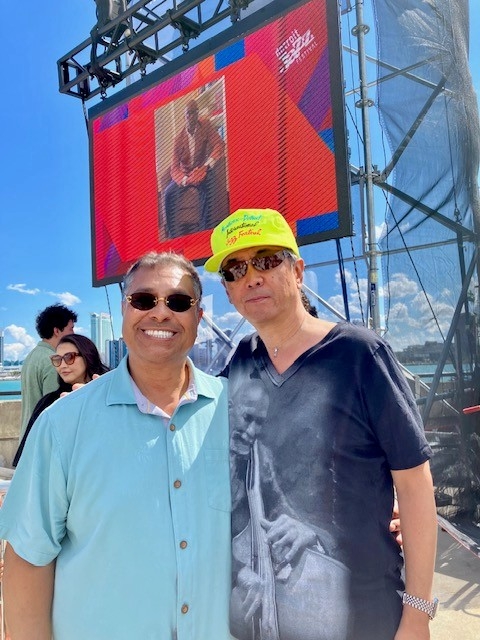
At the festival, I also met photographers Takehiko Tokiwa and Kumiko Hirama, who have been documenting the event for seven years. As one of the world’s largest free jazz festivals, the Detroit Jazz Festival faces considerable challenges in its operations. Mr. Tokiwa remarked, “I think it is important to find Japanese corporate sponsors who can help support the festival, including helping with stage construction and setup.” I would like to raise this possibility with the Japan Business Society of Detroit (JBSD) as well.
I would like to express my sincere gratitude once again to Eric Heard, whose efforts made my connection with the Detroit Jazz Festival possible.