Through the Eyes of the Consul General of Japan in Detroit
2025/12/5
Through the Eyes of the Consul General of Japan in Detroit
Vol.13
The Garden Speaks — The Rebirth of the Cranbrook Japanese Garden
Vol.13
The Garden Speaks — The Rebirth of the Cranbrook Japanese Garden
December 5, 2025
Hajime Jimmy Kishimori
Consul General of Japan in Detroit
Hajime Jimmy Kishimori
Consul General of Japan in Detroit
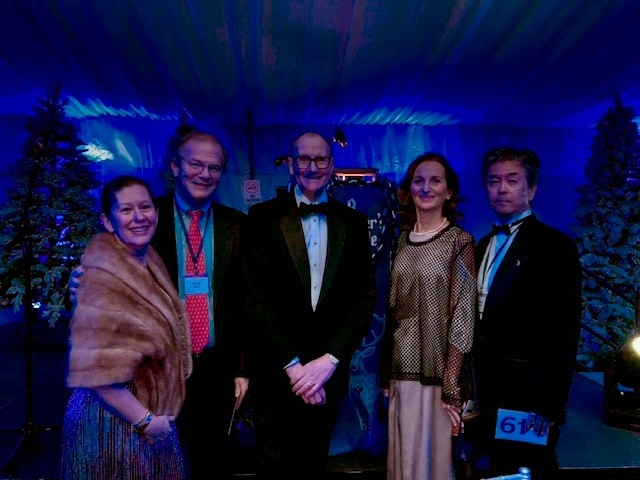
I had been aware that there was a Japanese garden about a seven-minute walk from my residence. On February 1 of this year, during the Winter’s Tale, a House Party at Cranbrook, there had been an auction to raise funds for the garden’s renovation. I had thought of it as a “pseudo” Japanese garden — aside from the red humpback bridge, there was little that felt authentically Japanese, certainly not on the scale of the red torii at the Cleveland Japanese Garden. That was until Mr. Sadafumi Uchiyama visited Cranbrook for the bank reinforcement work that day.
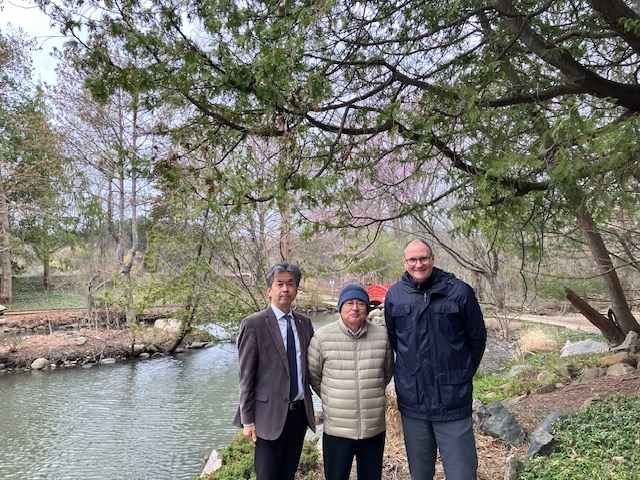
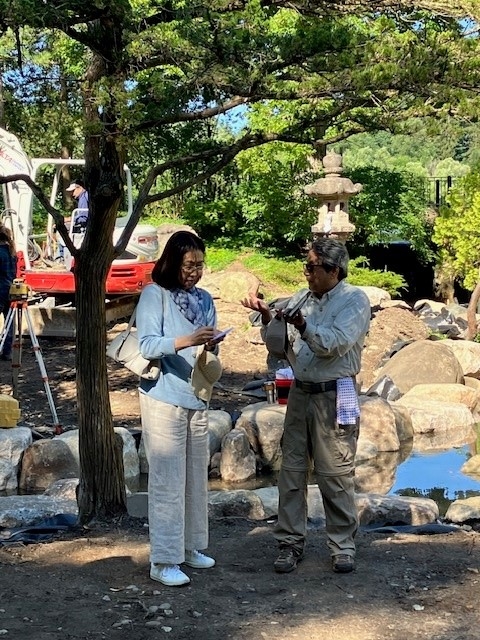
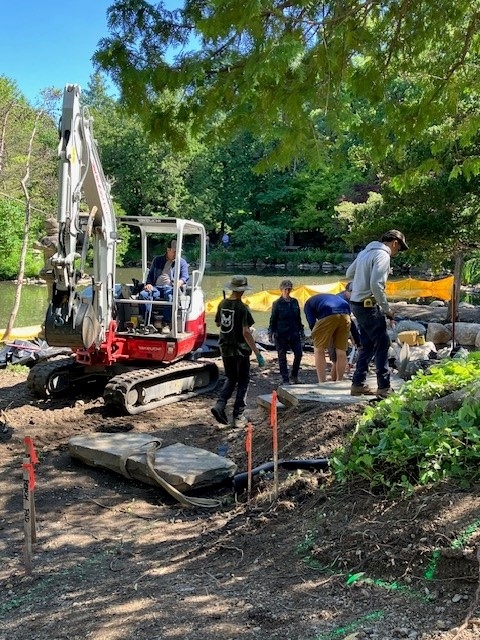
Looking back, in 2018, with funding provided through the Land, Infrastructure, Transport and Tourism Ministry (MLIT) International Japanese Garden Restoration Project, Uchiyama’s “magic” had already begun quietly. Based on the funds raised during the House Party at Cranbrook, Mr. Uchiyama resumed work at Cranbrook in the still-chilly days of April. The project reached a milestone with the ribbon-cutting ceremony on October 20.
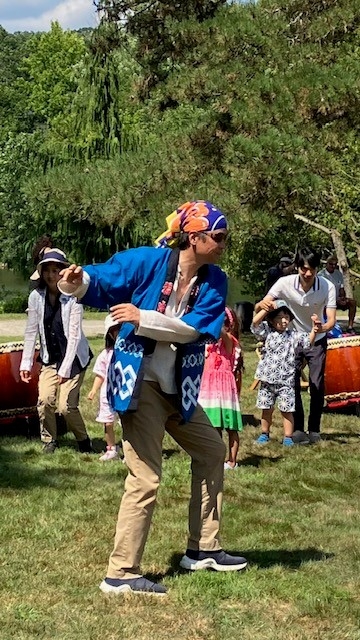
During this period, Director Witkopp held dinners and bon-odori festivals to raise additional funds and generate interest in the local community. Cranbrook, the birthplace of the Ringo-kai, a Japanese Language School in Detroit, has a long-standing connection with JBSD. President Gouin of the Japan-America Society has been supporting the Japanese garden for 30 years. Through the combined efforts and dedication of many people, the renovation of the Cranbrook Japanese Garden steadily progressed. Yet it could never have been realized without the assistance of the legendary gardener, Mr. Sadafumi Uchiyama.
"I am not the one creating the garden. The garden itself speaks to me."
When Mr. Uchiyama quietly said this, I was reminded of Night Six in Natsume Sōseki’s Ten Nights of Dreams, the story of Unkei, who carved the Nio statues in Kamakura. Unkei said, “I did not carve the Nio; I merely helped release the Nio that was sleeping inside the wood.” Since ancient times, the Japanese have perceived something beyond humanity in nature. In contrast, Westerners have historically viewed nature merely as an external environment for human convenience. I find this distinction remarkable, and as a Japanese, I take pride in it. I also hold deep respect for Mr. Uchiyama, who embodies this philosophy and truly listens to what the garden communicates.
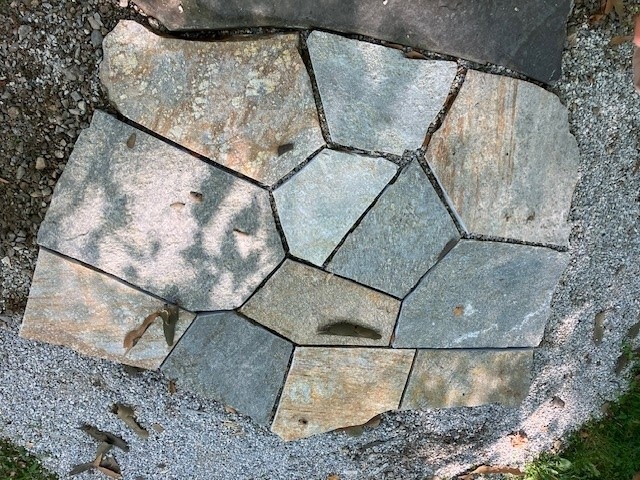
Mr. Uchiyama chose not to bring rocks from Japan for the bank reinforcement work, instead using stones sourced locally from Michigan. “They blend better with the landscape and are more sustainable,” he said with a smile. Aside from him, all workers on site were local. Even when he is no longer there, may this garden continue to be maintained — this was his quiet prayer.
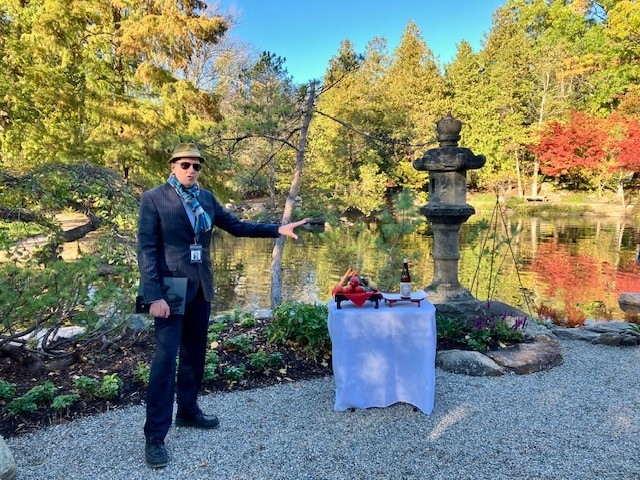
The ribbon-cutting ceremony was carried out by just three people: Mr. Uchiyama and the Booth couple. In that moment, the Japanese garden at Cranbrook, founded 110 years ago by Mr. Booth’s great-grandfather, was reborn.